
Built-Ins and Woodwork That Match Your Space
Custom Carpentry Services in Muskegon for properties needing storage solutions or architectural detail
Standard cabinetry and off-the-shelf trim rarely fit the dimensions or style of older homes, leaving gaps, awkward proportions, or wasted space. Custom carpentry fills these gaps by building features tailored to exact measurements and design preferences—built-in shelving that reaches ceiling height, fireplace mantels proportioned to specific wall widths, accent walls that incorporate reclaimed materials, and trim profiles that match historical details. Frame by Frame Carpentry, LLC provides custom carpentry across Muskegon, fabricating woodwork that integrates with existing architecture while adding functional storage and visual focal points.
Custom work involves measuring spaces precisely, selecting materials that complement existing finishes, and building components that fit without forcing adjustments to walls or floors. Built-in shelving gets anchored to studs for load capacity, trim and molding require coping joints at inside corners for tight seams, and custom cabinetry needs proper clearance for doors and drawers to operate without binding. Each piece accounts for how wood expands and contracts with seasonal humidity changes common in Michigan interiors.
Request a consultation to discuss design ideas and review how custom features can maximize your available space.
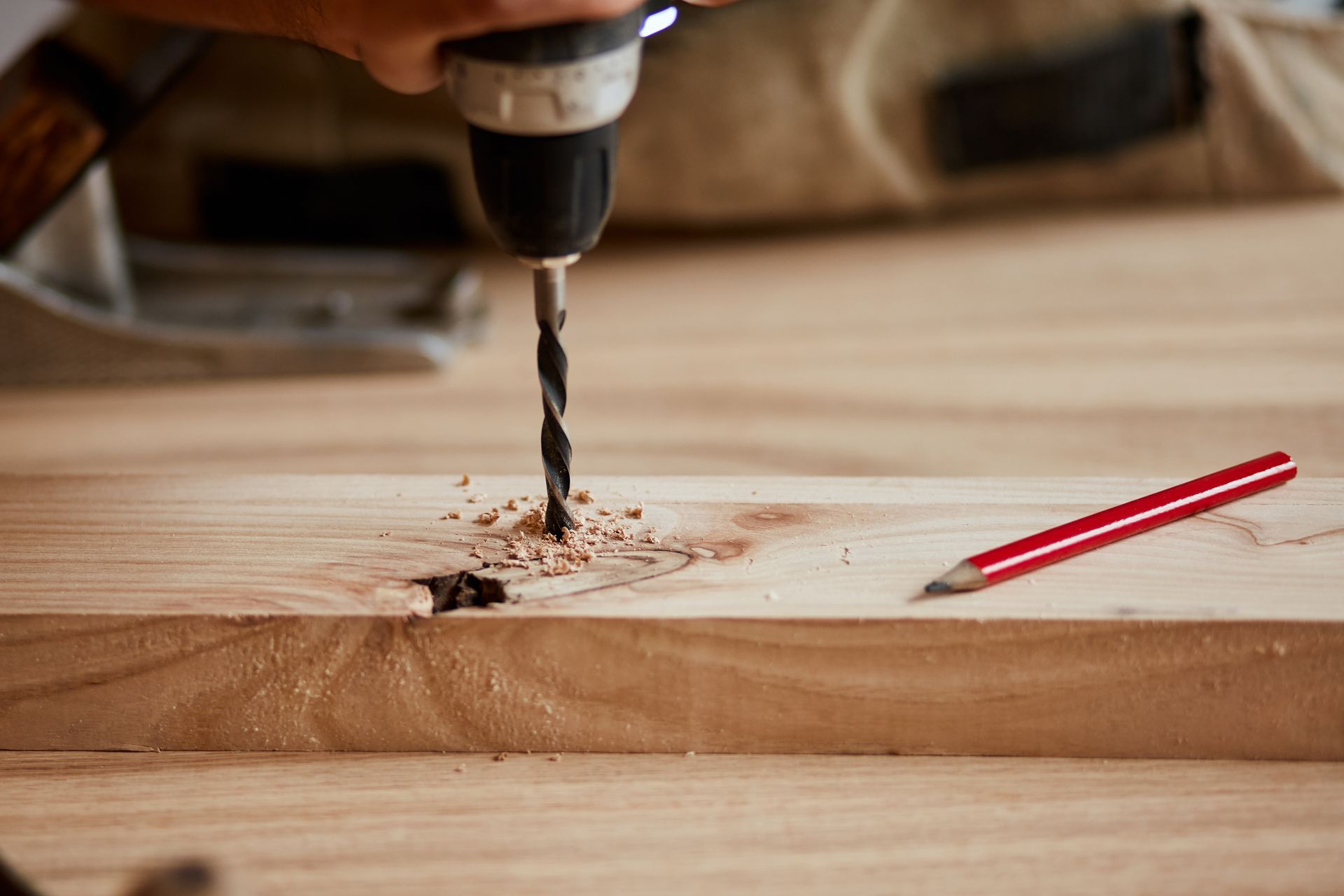
What Custom Carpentry Actually Accomplishes
Custom carpentry starts with understanding how the space gets used—how much weight shelving needs to support, whether cabinetry requires specific interior dimensions for equipment or collections, and how decorative elements should relate to room proportions. Installations involve scribing pieces to fit against uneven walls, routing profiles that match existing trim, and finishing surfaces to coordinate with flooring and cabinetry already in place. Built-in storage eliminates freestanding furniture that crowds rooms, while custom trim transforms plain openings into defined architectural features.
After installation, you'll notice that built-ins sit flush against walls without gaps, shelving remains level under load, and cabinet doors align consistently within their frames. Custom mantels provide focal points that anchor furniture arrangements, and accent walls add texture and depth without reducing usable floor space. Trim and molding create visual continuity between rooms, especially in homes where previous renovations left mismatched details.
Decorative carpentry features—coffered ceilings, wainscoting, window seats—require precise layout and installation sequences that account for how components intersect. These elements add character but also demand more material and labor than simple trim applications, with costs varying based on wood species, finish complexity, and the number of custom joints required.
Answers to Frequent Service Questions
Clients considering custom carpentry typically want to understand design flexibility, material selection, and how custom work differs from prefabricated options.
What makes built-in shelving more functional than freestanding units?
Built-ins maximize vertical space by extending to ceilings, anchor securely to wall framing for heavier loads, and fit precisely into alcoves or irregular spaces where standard furniture leaves gaps. They also stay in place rather than shifting or tipping over time.
How do you match existing trim profiles in older Muskegon homes?
Matching involves measuring the existing profile dimensions, selecting router bits or molding knives that replicate the shape, and milling new trim from similar wood species. Stain and finish matching requires test samples to adjust color before final application.
When should custom cabinetry be considered instead of stock options?
Custom cabinetry makes sense when room dimensions don't accommodate standard sizes, when you need specific interior configurations for collections or equipment, or when matching existing finishes matters more than budget constraints.
Why does wood species affect both appearance and cost?
Different species vary in grain pattern, hardness, workability, and availability. Oak and maple provide durability at moderate cost, while walnut and cherry offer richer color but require higher material investment. Paint-grade projects often use poplar to reduce costs without sacrificing finish quality.
What determines how long custom carpentry projects take?
Complexity of design, number of custom joints, finish requirements, and whether pieces get built on-site or in a shop all affect timelines. Simple trim installations may complete in days, while elaborate built-ins with multiple components can extend over weeks.
Frame by Frame Carpentry, LLC works with you to design custom features that solve specific storage or aesthetic challenges in your home, using materials and techniques that ensure long-term durability. Contact us to discuss your project and receive a detailed proposal that outlines design, materials, and installation timelines.